Keeping solar panels clean doesn’t have to be a full-day chore. With a short, safe morning routine you can prevent energy loss, protect warranties, and avoid the big jobs that come from months of neglect. This guide gives a practical, updated, step-by-step morning routine you can follow in 10–20 minutes, plus tools, safety tips, and guidance on when to call a professional solar panel cleaning service. Whether you own a rooftop system in Norco, CA, or manage commercial arrays across California, these tactics will help keep your panels producing at peak efficiency.
Why a daily quick routine matters for solar output and longevity
Solar panels lose performance when dust, pollen, bird droppings, salt spray, or wildfire ash accumulates on the glass. Typical soiling can reduce output by 5–25%, depending on location and type of contaminant; in extreme cases (heavy ash or persistent salt) losses can be higher. Small, frequent cleanings stop grime from hardening, reduce the need for aggressive cleaning later, and maintain expected energy yields. A morning habit is ideal because panels are cooler and easier to clean, and you can check inverter data to spot production dips before they become costly drops in revenue or savings.
What a safe, effective 10–20 minute morning routine looks like
Here’s a compact routine you can follow once or twice a week (or daily in very dusty areas). It’s split into steps so anyone can do it quickly and safely.
Step 1 — Quick system check (2 minutes)
- Before touching anything, check the inverter or monitoring app for unexpected drops in output. If the system is reporting lower production than normal for that hour of the day, panels may be soiled.
- Look from the ground for obvious debris, bird nests, heavy dust, or streaks on panels. If you see thick deposits or ash, plan a deeper clean or contact a pro.
Why: Early detection saves time — small fixes now avoid major cleaning later.
Step 2 — Turn the system to safe mode (1 minute)
- If you plan to touch panels, follow the manufacturer’s instructions to shut the system down or use the rapid shutdown procedure. This reduces electrical risk while you work.
- For ground-mounted arrays or off-grid sections that can be isolated, shutting down may be faster — always follow your owner manual.
Why: Safety first. Never rely on guesswork when handling electrical equipment.
Step 3 — Remove loose debris from the ground (3–5 minutes)
- Use a long-handled soft brush or a leaf blower (on low) from the ground to remove leaves, loose pollen, or twigs.
- Focus on panels near trees and edges where debris accumulates first.
Why: Removing loose material prevents scratching during wet cleaning and often restores output quickly.
Step 4 — Gentle rinse with low-pressure water (3–5 minutes)
- Attach a garden hose with an adjustable nozzle. Use low-pressure spray to rinse panels top-to-bottom. Don’t use a pressure washer — high pressure can damage seals.
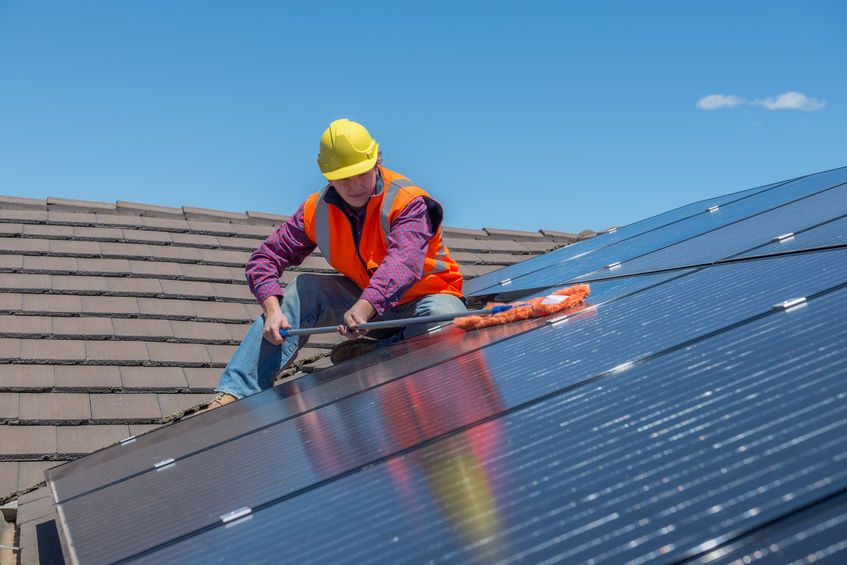
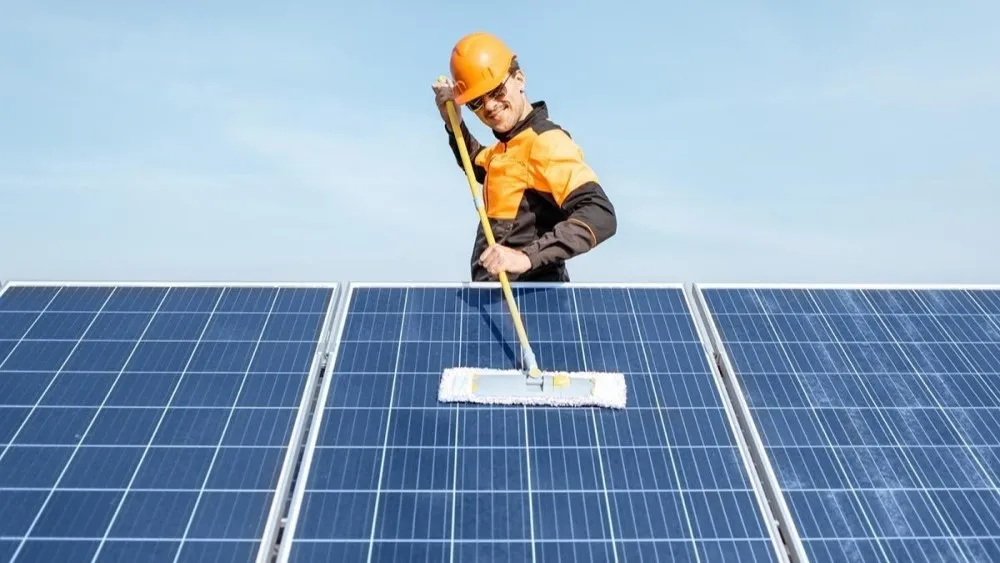
- If you have access to a flow-through brush on a telescoping pole, combine light rinsing with gentle brushing.
Tools: garden hose, flow-through soft-bristle brush, telescoping pole.
Why: Rinsing softens grime and flushes grit away, reducing the need for scrubbing.
Step 5 — Targeted spot cleaning for stubborn marks (3–5 minutes)
- For bird droppings, sap, or mineral spots, use a soft sponge or microfiber cloth with a mild, pH-neutral soap diluted in water. Let the soap soak a minute for tough spots, then wipe gently.
- Rinse again thoroughly to remove soap residue.
Tip: Deionized water or distilled water for the final rinse prevents mineral spots and streaks — important in hard-water areas or coastal homes with salt spray.
Step 6 — Final visual inspection and restart (1 minute)
- Check panels for streaks, remaining spots, or visible damage. If all looks good, restart the system per manufacturer instructions.
- Note any physical damage (cracks, loose frames) and document with a photo for future reference.
Why: A quick follow-up prevents continuing problems and preserves warranty documentation.
Tools and products to keep on hand (compact kit)
Build a small “solar morning kit” so you can act fast:
- Soft, flow-through brush with telescoping pole (10–20 ft reach).
- Garden hose with adjustable low-pressure nozzle.
- Microfiber cloths and soft sponges.
- Small bucket and mild, pH-neutral detergent or dedicated solar panel cleaner.
- Deionized water bottle or small portable DI system (optional but excellent for mineral-free rinses).
- Safety gear: non-slip shoes, gloves, eye protection.
- Mobile device with inverter/monitoring app for quick checks.
Best practices: timing, frequency, and regional considerations
- Best time of day: Early morning when panels are cool. Cleaning hot panels can cause thermal stress and streaking. Late afternoon is the second-best window.
- Frequency: In general, twice a year is baseline for many California sites. But for dusty inland areas, agricultural or construction zones, coastal salt spray zones, or wildfire-prone neighborhoods (like parts of California), check weekly or schedule light rinses weekly and professional cleans quarterly.
- After fires or dust storms: Clean as soon as it is safe — ash and caked dirt can drastically reduce output and be corrosive. For heavy ash, hire pros: they have methods (DI systems, soft-wash rigs) that minimize damage.
- Commercial arrays: Large installations often use monitoring systems. Clean when performance drops exceed the expected weather-related variance or follow a scheduled maintenance contract (monthly/quarterly).
What NOT to do — common mistakes that damage panels or void warranties
- Never use a high-pressure washer. It can crack seals, break solder points, and void warranties.
- Avoid abrasive pads, metal brushes, or harsh chemicals like bleach or ammonia. These can scratch glass and damage anti-reflective coatings.
- Do not walk on panels unless the manufacturer authorizes it and you use designated walkways. Walking on panels can cause micro-cracks and long-term loss of output.
- Don’t clean during peak sun hours. Rapid drying can leave mineral spots and thermal stress.
When to hire a professional solar panel cleaning service
Hire a pro if any of the following apply:
- Panels are on steep or multi-story roofs (safety risk).
- Heavy soiling: ash, salt encrustations, or baked-on dirt.
- You manage large commercial arrays or tracking systems.
- You want documented before-and-after performance checks for warranties or asset managers.
- You prefer a maintenance contract to avoid manual checks and handle seasonal scheduling.
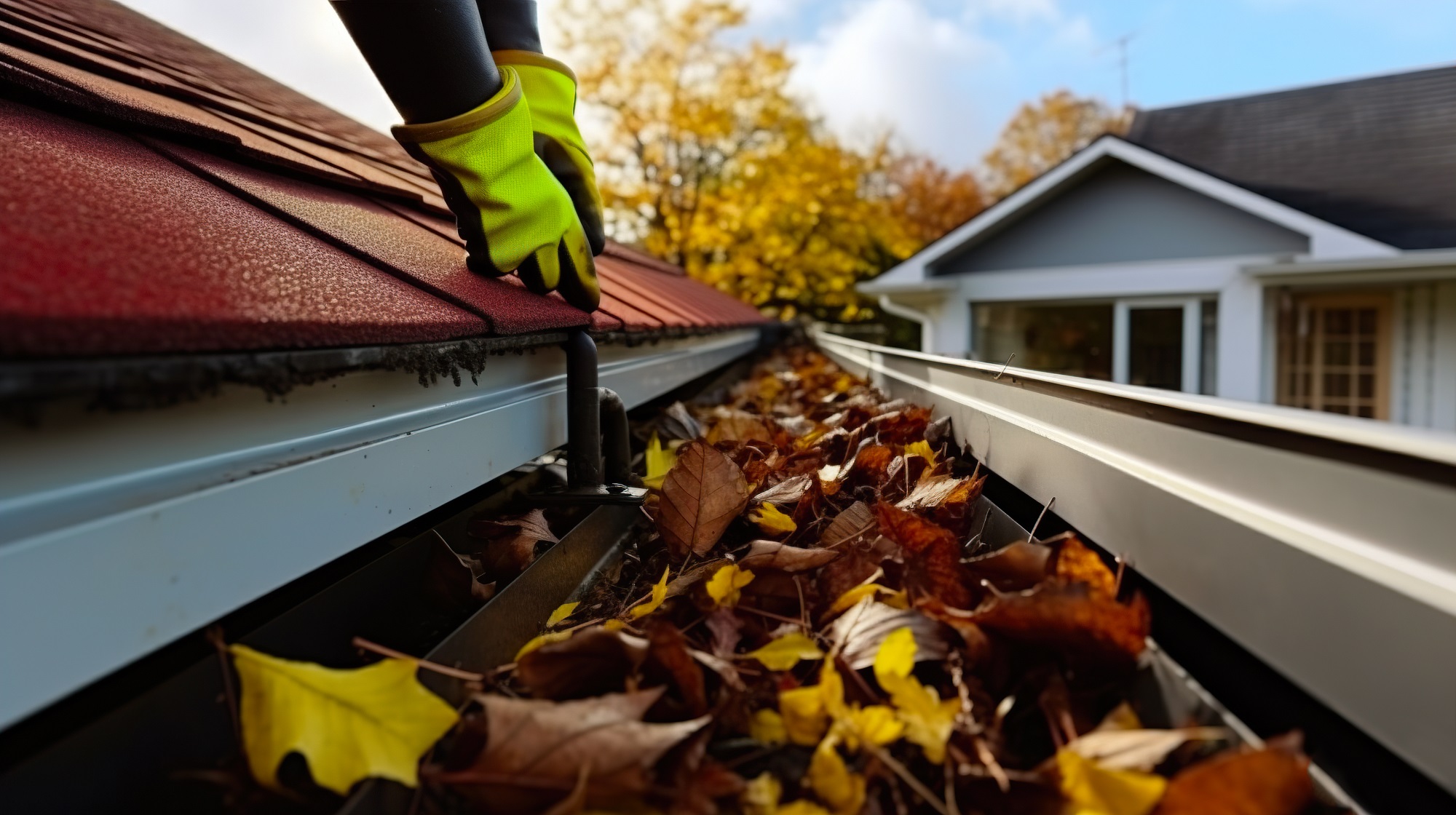
Pros bring deionized water-fed poles, soft-brush systems, CSA/OSHA-compliant safety gear, and insurance. Many reputable local companies bundle services — for example, search “gutter and solar panel cleaning near me” or “solar panel cleaning service” to find teams that will clean both gutters and panels in one visit. Bundling saves ladder trips and is cost-efficient for homeowners and commercial property managers.
Callout: Residents of Norco and greater California can contact local pros (like All American Cleaning) for warranty-safe cleaning and bundled gutter care to maximize both panel output and roofline protection.
Measuring success: how to track the benefit of cleaning
- Monitor inverter data before and after cleaning — many homeowners see a clear percentage bump in morning or daily energy production.
- Compare energy bills month-over-month and season-over-season. Cleaning has a clearer ROI in dusty, coastal, or wildfire-affected zones.
- Document with photos and timestamps. If you hire a professional, request before/after images and a simple performance readout when possible.
Eco-friendly approaches and water conservation
In drought-prone regions like much of California, conserve water while keeping panels clean:
- Use targeted rinses instead of continuous flooding.
- Use deionized systems that require less water and leave no mineral residue (so fewer repeated rinses).
- Collect rinse water where feasible for landscape irrigation if it’s free of harmful chemicals (only if you used biodegradable, mild soap).
Many solar cleaning services advertise water-efficient options; when searching for help, include “eco-friendly solar panel cleaning” in your queries.
Quick checklist you can print and keep
Morning Solar Panel Quick-Check (5–15 min)
- Check the inverter/monitor for drops.
- Walk the perimeter; look for visible debris or stains.
- Shut down per manual if you will touch panels.
- Remove loose debris from ground with a soft brush or leaf blower (low).
- Low-pressure rinse top-to-bottom.
- Spot-clean with mild soap for stubborn marks; rinse.
- Dry with microfiber or squeegee if desired.
- Restart system and note any damage or persistent soiling.
Final thoughts and next steps
A quick morning routine is a powerful defense against energy loss. With the right small toolkit, safe habits, and a plan to call professionals for heavy jobs, you’ll keep your panels spotless, protect warranties, and maximize savings. For Norco and California homeowners who prefer expert care, consider booking a solar panel cleaning service that offers warranty-safe methods and bundles with gutter and solar panel cleaning near me options to keep your whole roofline working in harmony.