🔹 1. Gutters overflow instead of channeling rainwater
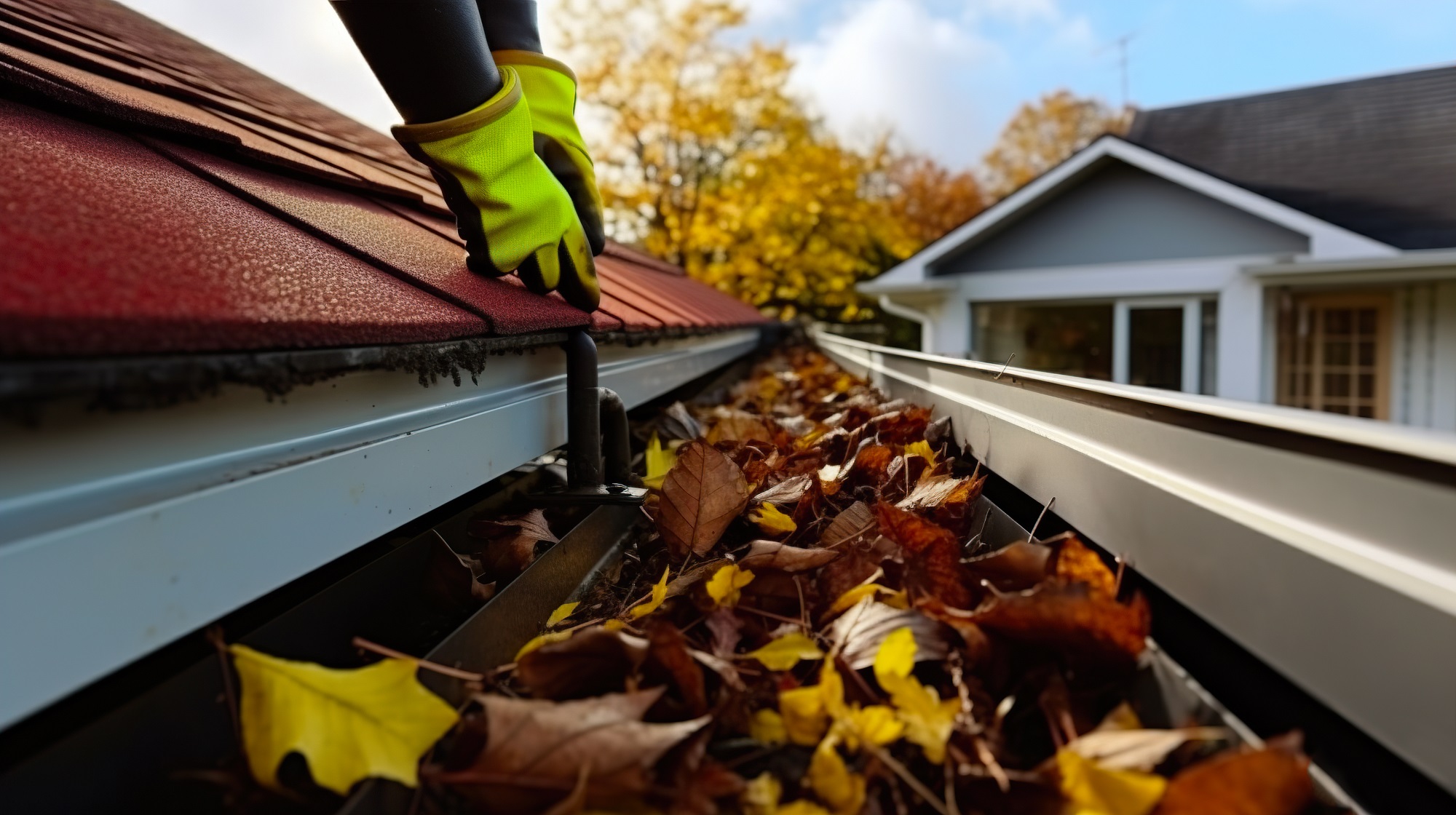
When leaves, pine needles, dirt or debris block your gutters and downspouts, rainwater from the roof has no proper path to escape. Instead of flowing through downspouts, water spills over gutter edges and falls around the foundation. Over time, this saturated water accumulates around basement walls and foundation soil.
This overflow-to-ground happens especially in heavy winter rains common in parts of California and other US regions. Even a brief overflow, repeated over multiple storms, can shove enough water into soil to raise hydrostatic pressure against foundation walls — that pressure pushes water through small cracks or porous walls, leading to basement seepage or flooding.
🔹 2. Soil Erosion & Foundation Weakening
When water consistently pours and pools near your home’s base, soil gets eroded or washed away. This undermines the soil that supports your foundation. Over time, shifting soil or settling can crack foundation walls — making them more vulnerable to leaks or structural damage.
Eroded soil also loses its drainage ability — saturated soil can’t absorb more water, so more runoff accumulates, increasing flood risk.
🔹 3. Poor Drainage + Seasonal Rains = Recipe for Floods
Winter often brings heavier, continuous rainfall. Clogged gutters that might handle light showers struggle under heavy rain. When downspouts are blocked or gutter slope is wrong, water can pool even before reaching the foundation — increasing chances of infiltration. Many home waterproofing experts highlight this as a major cause of basement water seepage.
🔹 4. Foundation Cracks or Small Vulnerabilities Get Exploited
Even tiny cracks or imperfect seals at basement joint points can remain harmless when soil is dry. But when water accumulates outside, hydrostatic pressure forces moisture through these vulnerabilities, leading to leaks, damp walls, mold — or full-blown flooding if pressure is high enough.
🔹 5. Clogs Are Often Invisible — Homeowners Forget Gutter Health
Many homeowners ignore gutters during fall or winter because debris and rain feel “normal.” But build-up of leaves or dirt from previous seasons mixed with new rainfall debris can silently choke gutters. By the time overflow starts, pressure on soil and foundation has already begun. Because the problem is often hidden above the roofline, many only discover leaks when basement dampness shows up.
What You Can Do Now — Preventive & Reactive Solutions
Here’s a clear plan to stop basement flooding caused by clogged gutters. You can pick combos of DIY steps and professional help depending on your comfort and risk level.
✅ 1. Clean Gutters & Downspouts before Rainy Season
- Remove debris: Leaves, twigs, pine needles, dirt. Use gloves and a gutter scoop or small trowel.
- Flush gutters: Use a garden hose to check flow — water should run freely through downspouts several feet away from the foundation.
- Check downspout exits: Make sure water discharges at least 4–6 feet from foundation or onto a proper drainage path (like a gravel trench or storm drain).
This simple step resets your drainage before heavy winter rains — a small investment that prevents major damage. Experts recommend at least twice-a-year cleanings (spring & fall), and additional checks if your property is surrounded by trees.
✅ 2. Extend Downspouts & Add Splash Blocks or Redirectors
If downspouts currently just drop water near the wall, add an extension — a rigid or flexible downspout extension — or use splash blocks. This sends water further away, preventing soil saturation next to the foundation.
For properties with yards or slopes, consider drainage swales, gravel trenches, or French drains to guide runoff safely away.
✅ 3. Regular Gutter Maintenance (Not Just Once a Year)
- Check gutters after major storms or heavy leaf fall.
- If there are many trees around, clean at least 3–4 times per year.
- Inspect immediately if you notice gutter sagging, spills, or overflow — these are early warning signs of blockage or damage.
✅ 4. Install Gutter Guards or Mesh Screens
Gutter guards reduce debris buildup. While they don’t eliminate the need for cleaning, they significantly lower frequency and risk of clogs. If you live in leaf-heavy or pine-needle heavy areas, guards are especially useful.
✅ 5. Schedule Professional Gutter Cleaning & Inspection
If gutters are high, poorly pitched, or you’ve had recurring water problems — hire a trusted gutter cleaning service. Professionals will:
- Remove heavy debris safely,
- Flush the entire system effectively,
- Inspect downspouts and discharge points,
- Check for gutter alignment or damage,
- Ensure proper drainage away from foundation.
This is especially wise before or during winter storms, and for houses with basements or older foundations.
What Homeowners Should Look Out For — A Pre-Storm Gutter Checklist
Before next rain or storm:
- ✅ Gutters free of visible leaves and sticks
- ✅ Downspouts clear and discharging 4–6 ft away from foundation
- ✅ No standing water anywhere around foundation or basement walls
- ✅ Soil around foundation slopes away (positive grading)
- ✅ Gutter guards or mesh (optional but useful)
- ✅ Scheduled cleaning or maintenance plan (DIY or professional)
If any of these checks fail — especially after a dry season or heavy leaf fall — treat it as a priority. Waiting until you see damp or flooding inside is much costlier.
What Happens if You Ignore It — Real Risks & Costs
- Basement flooding — water seeps through walls, ruins possessions and flooring, and can lead to major repair bills.
- Foundation damage — settlements, cracks, structural instability. Repairs are expensive and time-consuming.
- Mold, mildew, and poor air quality — damp basements foster mold growth, which is a health hazard.
- Exterior and landscaping destruction — soil erosion, damaged gardens, washed-out mulch, and ruined pathways.
- Recurring maintenance nightmares — repeated minor damage leads to chronic repair costs, roof damage, siding rot, and possible resale value loss.
Key Takeaway — Clean Gutters = Dry Basement = Peace of Mind
Proper gutter maintenance may feel like a small chore, but its impact is huge. For homeowners in California and other rain-exposed regions, falling leaves, seasonal storms, and winter rains make clogged gutters a serious threat. By staying vigilant, cleaning regularly, and directing water safely away from your foundation, you drastically reduce risks of basement flooding, foundation damage, and long-term repair costs.
If you want reliable protection — especially if you lack time or prefer professional care — consider hiring a gutting cleaning expert. A trusted service can assess your system, ensure proper drainage, and give you the peace of mind that rainfall won’t become a headache.
Also Read: Quick Morning Routine to Keep Your Solar Panels Spotless