Solar panels are a great investment, but they only work well when sunlight actually reaches the cells. Bird droppings, fallen leaves and tree debris may seem small, but they cause shading, hot spots, and steady energy loss if left unaddressed. This guide explains — in plain language — how those contaminants hurt performance, when you can safely handle cleaning yourself, and exactly when you should call a professional solar panel cleaning service. I’ll also cover the tools, safety tips, and the long-term benefits of keeping panels clean.
Why bird droppings and tree debris matter
Small patches of droppings, seed pods or wet leaves create localized shading. Solar cells are wired in strings — when one cell is shaded it reduces the current of the whole string. That means a tiny mark can produce a large drop in power. Typical effects include:
- Immediate energy loss. Soiling commonly reduces output by 5–25% depending on severity and location.
- Hot spots. Shaded cells can overheat, creating hot spots that permanently damage modules.
- Accelerated wear. Debris trapping moisture invites corrosion on frames, mounts and connectors.
- Warranty and safety risks. Improper DIY cleaning can void warranties or create electrical hazards.
In short: a little debris can equal a lot of lost electricity and money.
Quick assessment: how to tell if debris is costing you power
Before you clean, check these indicators:
- Inverter/monitor drop — Compare today’s production to the same sun hours on a clear recent day. If output is significantly lower, soiling could be the cause.
- Visible patches — From the ground, scan for white droppings, clusters of leaves, or shaded strips.
- Persistent spots after rain — If rain doesn’t remove the grime, it’s baked-on or sticky and needs attention.
- Repeated problem areas — Panels near trees or under bird flight paths accumulate debris faster.
If you see any of the above, act promptly — small problems are easiest to fix.
DIY cleaning: what you can safely do at home
If panels are ground-mounted, on a single-story roof, or you can reach them safely from solid ground, a careful DIY clean is possible. Follow these rules:
Tools and supplies (safe, inexpensive)
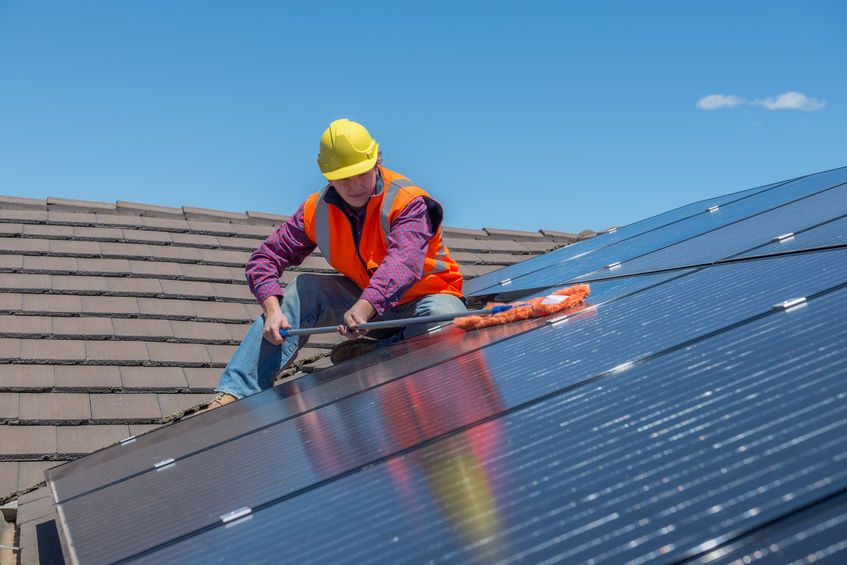
- Soft, flow-through brush with telescoping pole (no hard bristles).
- Garden hose with adjustable low-pressure nozzle (never use a pressure washer).
- Mild, pH-neutral soap (only when needed).
- Microfiber cloths or a squeegee.
- Non-slip shoes and a partner to spot you.
Step-by-step (gentle and warranty-safe)
- Check the monitoring app and pick a cool morning or late afternoon — panels should be cool to avoid thermal stress.
- Shut down the system if your manufacturer recommends it for cleaning. Follow the manual.
- Rinse first to soften loose dirt and droppings.
- Soak stubborn spots with soapy water for a minute, then gently brush with a soft flow-through brush.
- Rinse thoroughly with low-pressure water and squeegee dry if mineral deposits are a concern.
- Inspect mounts and frames visually while you’re up there.
DIY is great for light soiling and quick spot-cleaning. But be realistic: do not climb steep roofs, work on multi-story homes, or handle electrical repairs yourself.
When to call a professional solar panel cleaning service
Hire a pro if one or more of these apply:
- Panels are on a multi-story roof or steep pitch (safety hazard).
- Soiling includes thick bird droppings, sticky sap, or baked-on pollen that won’t come off with a hose.
- There’s heavy tree debris, nests, or frequent bird activity (recurring problem).
- You want documented, warranty-safe cleaning and performance testing.
- You manage commercial arrays or want seasonal maintenance contracts.
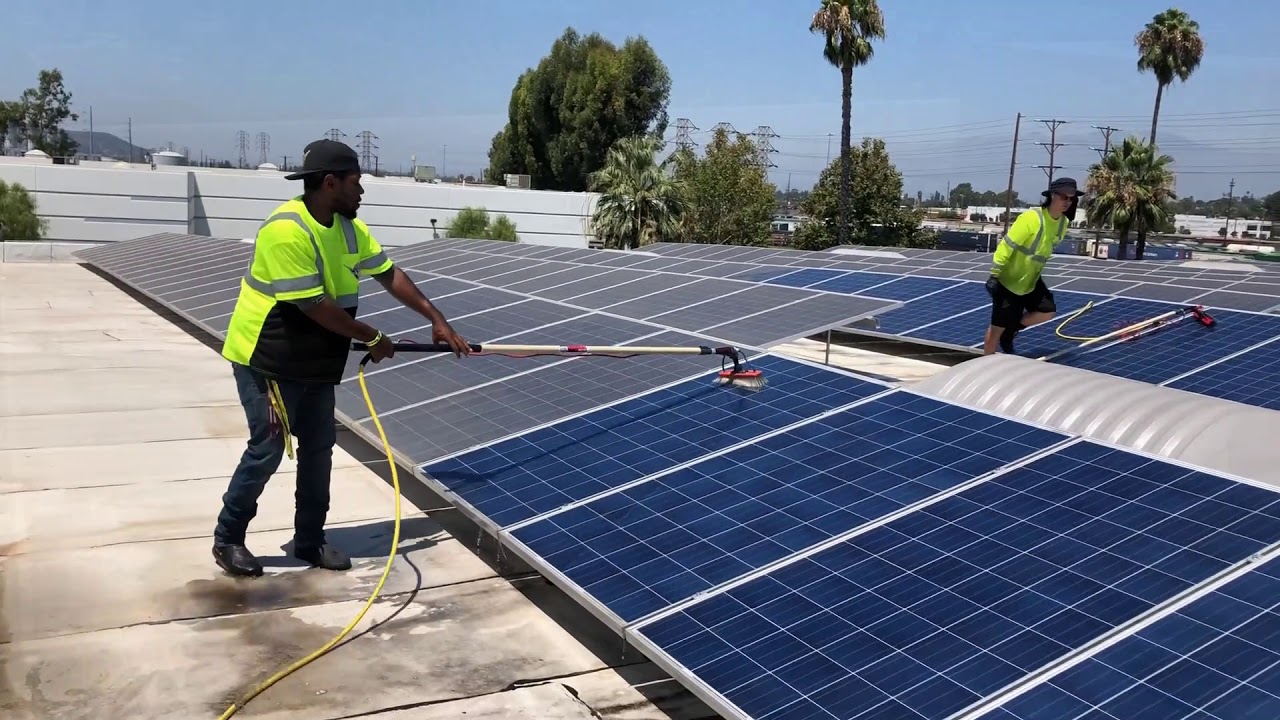
Professional teams bring water-fed poles with deionized water (spot-free rinse), thermal imaging to spot hotspots, proper fall protection, and insurance. They can also assess recurring bird issues and install deterrents or mesh guards that reduce future cleanings.
What professionals do differently (and why it matters)
A reputable solar panel cleaning service will:
- Use deionized water or purified water to avoid mineral spotting.
- Employ soft-bristle flow-through brushes mounted on telescoping poles so they can clean from the ground or roof edge.
- Provide before-and-after performance checks — compare inverter data to show gained output.
- Offer bird-deterrent solutions (mesh guards, perch deterrents) and leaf routing to protect panels long-term.
- Inspect racking, junction boxes, and seals to spot corrosion or damage early.
These extra steps protect your warranty and keep panels producing at rated efficiency.
Bird-proofing and preventive measures
Cleaning is only half the battle. Reduce recurrence with these practical strategies:
- Trim overhanging branches at least 6–8 feet away from arrays to reduce leaves and perches.
- Install bird deterrents — stainless steel mesh under racking, visual deterrents, or spikes on ledges that won’t harm birds but stop nesting.
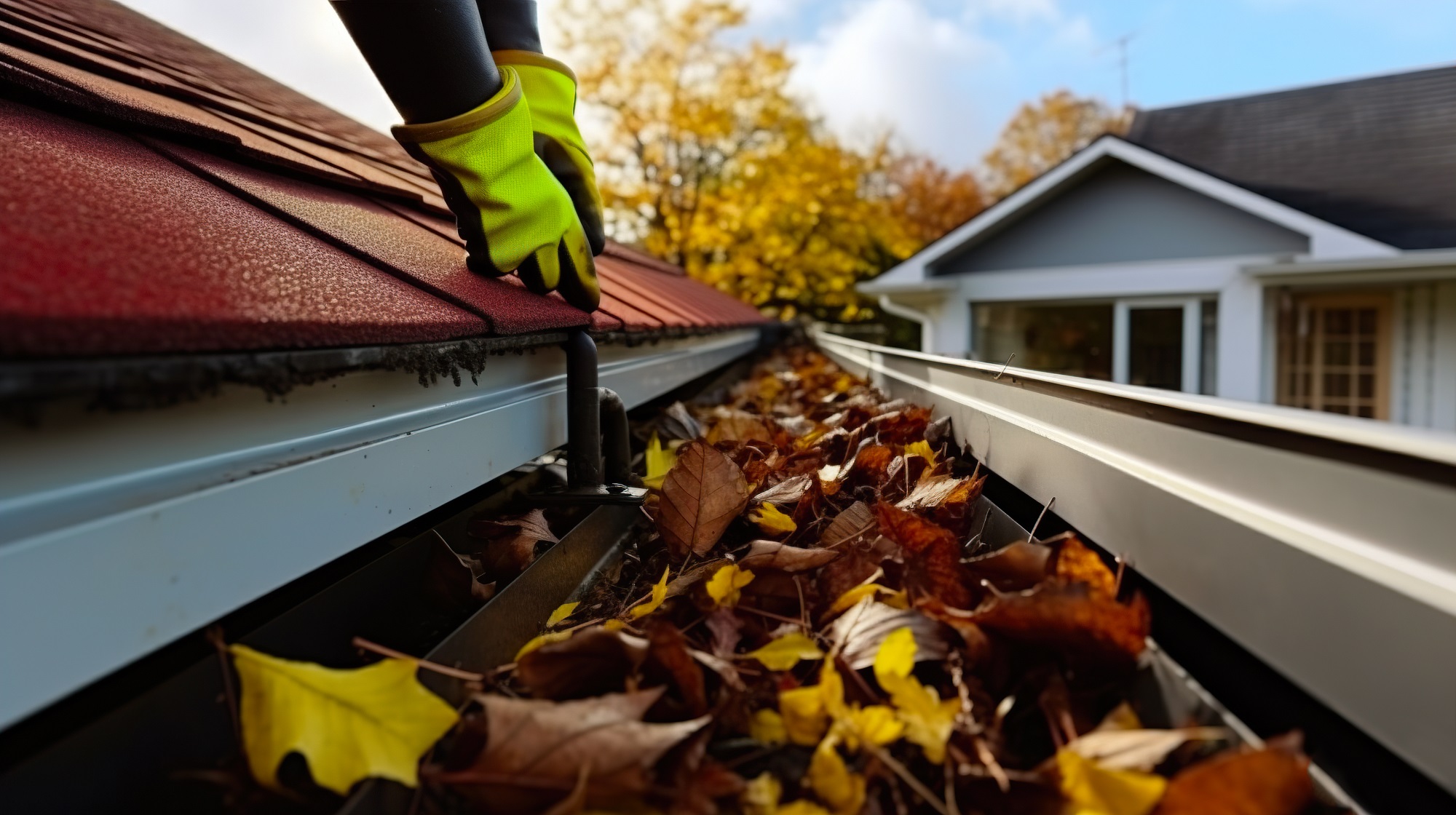
- Use gutter and roofline maintenance — clogged gutters can spill debris onto panels; consider bundled services (“gutter and solar panel cleaning near me”).
- Schedule seasonal professional cleans — quarterly in high-debris areas, biannually elsewhere.
- Document maintenance for warranty and insurance records.
These measures cut cleaning frequency and protect both panels and roofline.
Special cases: coastal salt, wildfire ash, and commercial arrays
- Coastal homes: Salt spray leaves a corrosive film. Frequent gentle rinses and professional cleans are recommended.
- Wildfire regions: Ash is abrasive and corrosive; wait until it’s safe, then hire pros who use careful rinsing and DI water to avoid scratching.
- Commercial arrays: Large systems need scheduled professional maintenance and monitoring contracts — the ROI is stronger because production loss scales with system size.
Safety & warranty reminders
- Never use a pressure washer. High pressure can break seals and void warranties.
- Don’t stand on panels unless the manufacturer explicitly allows designated walkways. Panels can crack under point loads.
- Follow manufacturer cleaning instructions to keep warranties valid — many warranties expect “reasonable maintenance.”
- Keep records of all cleanings and repairs for warranty or insurance claims.
Cost vs. benefit: is professional cleaning worth it?
Yes, often. Dirty panels can lose enough output that recovered energy pays for cleaning within months in dusty or bird-prone areas. For commercial sites, the payback is usually faster. Professionals provide documentation and safety that DIY doesn’t. Bundling with gutter cleaning (search “gutter and solar panel cleaning near me”) often reduces total cost and protects the roofline too.
Quick decision checklist
- Is the panel easy and safe to reach? → DIY may be OK.
- Is there heavy, baked-on droppings, sap, or ash? → Call a pro.
- Are the panels on a steep or multi-story roof? → Call a pro.
- Do you want documented performance checks? → Call a pro.
- Do you have frequent bird problems? → Pro + deterrents recommended.
Final takeaway
Bird droppings, leaves and tree debris are more than an eyesore — they cost energy, create hotspots, and shorten panel life. Light, safe DIY cleaning is fine for small issues, but recurring, heavy, or hard-to-reach soiling is best handled by a professional solar panel cleaning service. Professionals bring warranty-safe methods, deionized water rinses, safety gear, and long-term solutions like bird deterrents and bundled gutter cleaning that protect your investment.