Switching to eco-friendly homemade cleaning solutions doesn’t mean sacrificing power. With a handful of safe, inexpensive ingredients and the right technique, you can replace many store-bought cleaners, reduce toxins in your home, and cut waste — all while getting surfaces truly clean. Below is a practical, science-aware guide with recipes, instructions, warnings, and tips so your DIY green cleaners actually work.
Why homemade, eco-friendly cleaners make sense
Homemade cleaners are cheaper, produce less plastic waste, and avoid many unnecessary fragrances and harsh chemicals found in commercial products. They excel at everyday cleaning tasks — removing grease, lifting dirt, and freshening rooms — and are kinder to indoor air quality. They are not a universal replacement for industrial disinfectants when you need hospital-level germ kill, but for routine home use they’re excellent, low-impact choices.
Key ingredients you’ll use
- White distilled vinegar — mild acid that cuts mineral deposits, soap scum and light grime.
- Baking soda (sodium bicarbonate) — gentle abrasive and deodorizer.
- Castile soap (liquid) — biodegradable surfactant for degreasing and general cleaning.
- Hydrogen peroxide (3%) — oxidizer useful for stain removal and light antimicrobial action (not combined with vinegar).
- Isopropyl alcohol (70%) — effective surface disinfectant when needed.
- Lemon juice — natural degreaser and brightener.
- Essential oils (optional) — for scent and mild antimicrobial properties (use sparingly; some oils are toxic to pets).
Safety first: simple rules before mixing anything
- Never mix bleach with vinegar or ammonia. That creates dangerous gases.
- Don’t mix hydrogen peroxide and vinegar in the same container — combining them forms peracetic acid, which can be irritating. Use sequentially (apply one, rinse, then apply the other) only if needed.
- Test first. Always spot-test a small hidden area before applying to stone, wood, painted surfaces, or fabrics.
- Know your surfaces. Acidic cleaners (vinegar, lemon) damage natural stone (marble, travertine, some granites) and some hardwood finishes. Use pH-neutral or soap-based cleaners there.
- Label containers and keep all cleaners out of reach of children and pets. Even “natural” ingredients can be hazardous in concentrated form.
Basic, reliable DIY recipes (what works and where)
1) All-purpose spray (most counters and surfaces)
- 1 cup water
- 1 cup white distilled vinegar
- 1 tablespoon liquid castile soap
- 10 drops essential oil (optional)
Shake gently before use. Spray and wipe with a microfiber cloth. Great for counters, cabinet exteriors, appliances. Avoid stone and finished hardwood.
2) Glass & mirror cleaner (streak-free)
- 2 cups water
- 1/2 cup white distilled vinegar
- 1 teaspoon castile soap
- Optional: 5–8 drops lemon essential oil
Spray and wipe with a lint-free microfiber cloth or squeegee. Vinegar cuts film and leaves glass clear. For very shiny glass, use distilled water to prevent spots.
3) Heavy-duty degreaser (oven, range hood, grill)
- 1/2 cup baking soda
- A few drops of dish soap or castile soap
- Add water to make a paste
Apply paste, sit for 10–20 minutes, then scrub with a non-scratch pad and rinse. For baked-on grime, repeat and let paste sit longer.
4) Natural tub & tile scrub
- 1/2 cup baking soda
- Enough liquid castile soap to make a spreadable paste
- Spray with vinegar (optional) and scrub
Baking soda lifts soap scum; vinegar jumpstarts dissolving mineral deposits. Rinse thoroughly. Do not use vinegar on natural stone.
5) Wood surface cleaner (sealed wood)
- 1 cup warm water
- 1/4 cup white vinegar
- 1 tablespoon olive oil (for shine)
- A few drops of essential oil (optional)
Wring microfiber cloth until damp (not wet) and wipe. Avoid oiled or waxed restorations unless the manufacturer recommends.
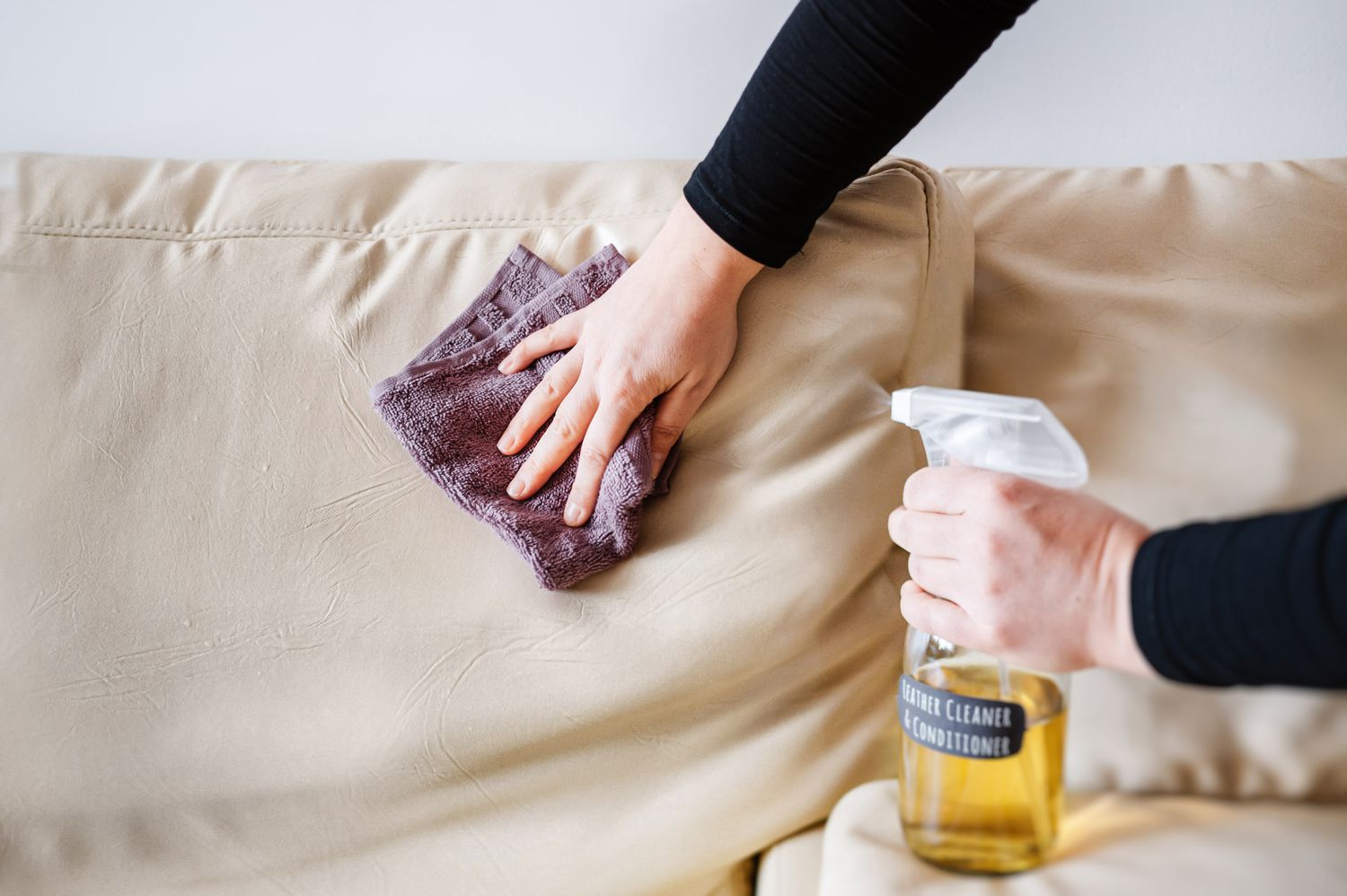
6) Upholstery & carpet spot cleaner
- 1 cup warm water
- 1 tablespoon castile soap
- 1 tablespoon white vinegar
Blot (don’t rub) stain with solution on a clean cloth; repeat. Rinse with plain water and blot dry.
7) Toilet bowl refresher (no harsh chemicals)
- 1/2 cup baking soda
- 1/4 cup white vinegar
Sprinkle baking soda, pour vinegar, let fizz 10–15 minutes, scrub and flush. For long-term odor control, drop a cup of vinegar in a bowl and let sit overnight before flushing.
When you need disinfecting power (and eco options)
Homemade cleaners are great for cleaning, but true disinfection (killing viruses/bacteria to a specified log reduction) requires appropriate products. For household disinfecting when needed (sick person in home), use:
- Isopropyl alcohol 70% — effective surface disinfectant when left wet for the contact time specified on the bottle (usually 30 seconds to 1 minute).
- Hydrogen peroxide (3%) — applied directly, it has antimicrobial action; leave wet for a minute or two.
- Or use an EPA-approved disinfectant per label instructions.
If keeping eco-credentials in mind, choose products with minimal added fragrances and low-toxicity active ingredients, or use alcohol or hydrogen peroxide, which break down without persistent environmental residues. Always follow label directions for contact time.
Tools that make homemade cleaners work better
- Microfiber cloths — trap dirt and polish surfaces without chemicals.
- Squeegee — for streak-free glass and shower doors.
- Soft-bristle scrubbers — for stovetops and tile grout.
- Spray bottles — glass or PET; label them.
- Buckets & mops — for floor solutions; consider washable microfiber mop pads.
- pH test strips (optional) — handy if you’re concerned about stone surfaces.
Eco and pet considerations
- Essential oils can be toxic to cats and some other pets in concentrated form; avoid use around cats or use minimal dilution.
- Rinse wastewater into garden beds only if the cleaner contains biodegradable, plant-safe ingredients (no bleach, heavy surfactants, or commercial degreasers).
- Compost the small amount of natural solids (coffee grounds, lemon peels) rather than flushing them.
Storage, shelf life and labeling
- Store in cool, dark places. Vinegar mixtures last months; soap-based mixes may separate — shake before use.
- Hydrogen peroxide degrades in sunlight — kept in an amber or opaque bottle.
- Label each bottle with contents and date made. Discard homemade mixes older than 6 months (or sooner if they smell off or change consistency).
When homemade cleaners aren’t enough
- Mold infestations, sewage, or biohazards require professional remediation.
- Heavy grease in commercial kitchens often needs commercial detergents designed for high-heat and public health standards.
- Stone surfaces (marble/granite) often need pH-neutral commercial products or professional stone care to avoid etching.
- Large disinfection needs (post-illness) — use EPA-approved disinfectants or follow health authority guidance.
Quick troubleshooting & tips
- Streaks on glass? Try distilled water for the final rinse and a microfiber cloth.
- Smelly drains? Pour baking soda, followed by vinegar, wait 10 minutes, then flush with hot water.
- Hard-water spots? Soak towel in vinegar and lay over the spot for 10–20 minutes before wiping. Don’t use it on stone.
- Greasy pans still sticky? Use a paste of baking soda + dish soap, scrub, then rinse in hot water.
Final thoughts: smart swaps for real results
The most effective eco-friendly cleaning strategy mixes good technique with the right ingredients. Use homemade solutions for everyday cleaning and stain removal, save disinfecting for targeted situations using alcohol or hydrogen peroxide, and hire professionals for structural or health hazards. Swap microfiber for paper towels, refill spray bottles, and keep a small kit of the recipes above — you’ll save money, reduce waste, and keep your home healthy.
Read More: Bird Droppings, Leaves & Tree Debris: When to Call a Pro Solar Cleaning Service