Clogged drains are one of those household problems that start small — a slow sink here, a gurgle there — then suddenly become a weekend emergency. Knowing the common causes and how professional drain cleaning services fix them saves you time, money, and headaches. This guide walks you through the top seven causes, explains what pros do (from snaking to hydro jetting and camera inspections), and gives clear prevention steps you can use right away.
Also Read: Eco-Friendly Homemade Cleaning Solutions That Actually Work
1. Hair buildup (bathroom sinks, tubs, showers)
Why it happens: Hair combines with soap scum and skin oils to form dense mats that trap more debris. Over time those mats narrow the pipe until water slows or stops.
How pros fix it: Technicians use specialized drain augers (snakes) and hand tools to remove hair balls without damaging pipe interiors. For persistent blockages they may use an oscillating head snake or a small drain camera to locate the clog precisely. After clearing, many pros finish with a light hydro-jet (low pressure) or brush to wash residual oils and reduce quick re-clogs.
Prevention: Use hair screens/strain ers in showers and bathroom sinks, remove visible hair after each use, and schedule a professional cleaning if water slows.
2. Grease and fat accumulation (kitchen drains)
Why it happens: Cooking oils and fats are liquid when hot but solidify as they cool inside pipes, clinging to pipe walls and catching food scraps. Grease builds up layer by layer and eventually forms an almost cement-like blockage.
How pros fix it: Professionals often begin with mechanical snaking to break the mass, then use hydro jetting (high-pressure water) to emulsify and remove grease layers completely. For commercial kitchens, techs may recommend grease trap service or installation and a maintenance schedule to prevent recurrence.
Prevention: Never pour grease down the drain; collect fats in a container for disposal or recycling. Use sink strainers and run hot water while washing greasy dishes, then periodically flush with hot water and biodegradable degreaser.
3. Food and foreign objects (kitchen sinks, disposals)
Why it happens: Potato peels, coffee grounds, eggshells, rice, and non-food items (toothpicks, utensils) can accumulate or jam disposals and traps. Disposals can shred some materials but also push fibrous or starchy items deeper where they form blockages.
How pros fix it: Technicians will often disassemble traps and P-traps to remove lodged items, snake the drain to remove downstream debris, and test the disposal and motor. If a disposal has been damaged by small objects, they’ll recommend repair or replacement. A camera inspection identifies food piles further down the line.
Prevention: Avoid putting fibrous, starchy, or hard-to-grind items in disposals. Use a strainer and empty it into compost or trash.
4. Soap scum, mineral scale, and hard-water deposits
Why it happens: Soap residue and minerals in hard water leave films that gradually constrict pipes. Hot water and soaps make scum that adheres strongly to pipe walls; mineral scale (calcium, magnesium) builds like limescale, especially in older metal pipes.
How pros fix it: For soap and scale, a pro may use mechanical scraping, specialized chemical descalers safe for plumbing, or hydro jetting at moderate pressure to scour the interior clean. For heavy scale in narrow metal pipes, partial pipe replacement may be necessary.
Prevention: Use water softeners if you have hard water, clean traps frequently, and avoid harsh DIY chemicals that damage pipes. Consider routine professional maintenance for older plumbing.
5. Tree root intrusion (sewer or mainline)
Why it happens: Tree roots seek water and oxygen and will invade tiny cracks in sewer lateral pipes. Once inside, roots grow, creating a honeycomb of obstructions that cause severe backups and slow drainage across the house.
How pros fix it: Professionals perform a video camera inspection to locate root intrusion. Solutions range from mechanical root cutting with a rooter head to full hydro jetting. If roots have compromised the pipe structure (cracks or displaced sections), the fix may require trenchless pipe repair (pipe lining / CIPP) or spot replacement. Pros can also advise on tree removal or root barriers.
Prevention: Avoid planting large trees near sewer laterals, or install root barriers. Schedule periodic camera inspections if you live in a tree-heavy neighborhood.
6. Broken, collapsed, or misaligned pipes (old sewer lines)
Why it happens: Pipes can deteriorate from corrosion, ground settling, freeze/thaw cycles, or heavy loads above (driveways). A collapsed or misaligned section catches solids and creates chronic backups.
How pros fix it: A video inspection reveals the exact problem. Small cracks may be rehabilitated with cured-in-place pipe (CIPP) lining; large collapses require trenchless replacement or conventional dig-and-replace. Drain cleaning services that include diagnostics can estimate repair cost and recommend the correct permanent fix.
Prevention: Regular inspections and addressing early-warning signs (slow drains in multiple fixtures, sewage odors, lawn sinkholes) prevent escalation.
7. Toilet paper and non-flushable (toilets and sewer lines)
Why it happens: While toilet paper is designed to break down, using excessive amounts or flushing inappropriate items (wipes, sanitary products, cotton swabs, diapers) causes clogs. “Flushable” wipes are a frequent offender because they don’t disintegrate rapidly.
How pros fix it: Technicians use augers specific for toilets and may clear main lines with a heavy-duty snake or hydro jet. For recurrent problems, a camera inspection helps determine whether blockages are deep in the sewer line and whether partial repairs are needed. In serious blockages, sewage cleanup and sanitization may be necessary.
Prevention: Flush only toilet paper and human waste. Dispose of wipes, feminine hygiene products and paper towels in the trash. Educate household members and post a sign in guest bathrooms if necessary.
What tools and techniques do professional drain cleaning services use?
- Drain snaking / augers: Mechanical cables that break and pull out clogs; excellent for hair and small blockages.
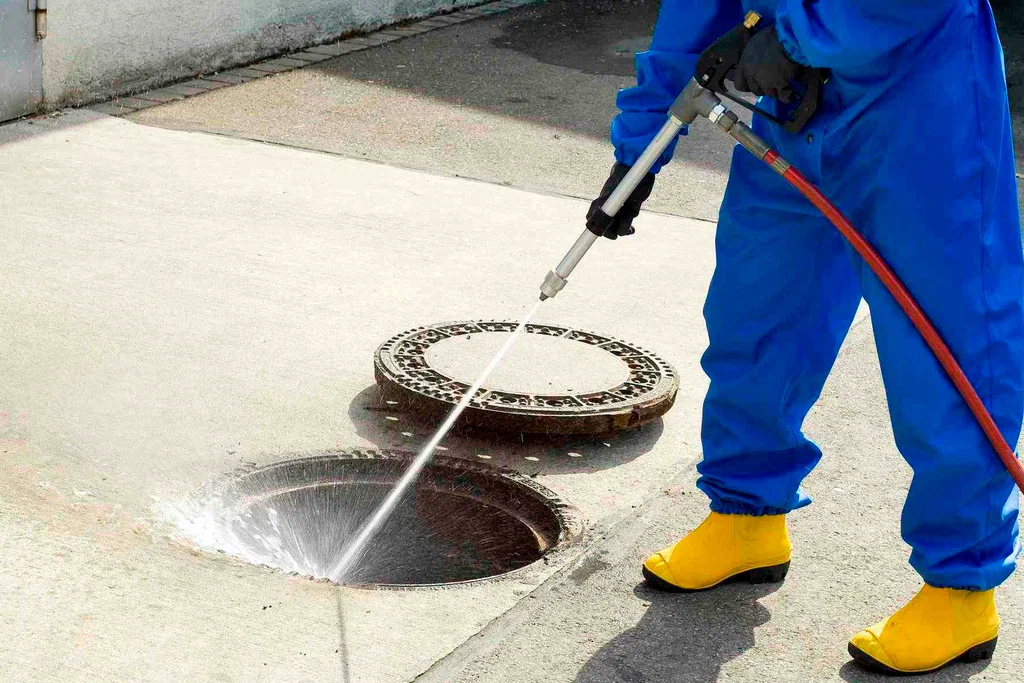
- Hydro jetting: High-pressure water (1,500–4,000+ psi) that scours pipe walls and removes grease, scale, and roots. Very effective for deep cleaning and preventive maintenance.
- Video camera inspection: A camera on a flexible cable pinpoints the clog location, pipe condition, breaks, and root intrusion — essential for accurate diagnosis.
- Pipe descaling & enzymatic treatments: Professionals may use safe descales or biological cleaners to reduce mineral buildup and organic residue between cleanings.
- Trenchless repair methods: CIPP lining or pipe bursting for structural repairs without full excavation.
- Electric cutters / rooters: For cutting roots that have intruded into pipes.
When to call a professional (red flags)
Call an emergency or professional drain cleaning service if you see any of the following: multiple drains slow at once, sewage odors, toilet overflows, gurgling noises, water backing up into other fixtures, or water pooling in the yard (possible mainline or sewer issue). DIY chemical drain cleaners can damage pipes and often don’t fix the underlying cause.
Cost, frequency, and maintenance plans
- Cost range: A simple snaking may be modestly priced; hydro jetting and camera inspections cost more but deliver longer-term value. Prices vary by region and severity.
- Frequency: For routine prevention, many homeowners book annual or biennial professional drain cleaning; older homes, rental properties, or commercial kitchens may require quarterly service.
- Value: A professional diagnosis prevents wasted time and recurring clogs. Hydro jetting, for instance, can restore near-new flow and reduce the need for repeated service calls.
DIY tips that help (but don’t replace pros)
- Use sink strainers to capture hair and food.
- Never pour grease down kitchen drains.
- Run hot water after dishwashing.
- Avoid “flushable” wipes and educate household members.
- Use enzyme-based biological cleaners monthly (not harsh caustic chemicals) to digest organic buildup.
Final checklist — hiring the right drain cleaning service
- Verify licenses and insurance.
- Ask whether they use camera inspection and hydro jetting.
- Get an itemized quote and ask about guarantees/warranties.
- Request references or read local reviews.
- Confirm they provide sanitation and cleanup if sewage removal is required.
Clogged drains are inevitable, but most are preventable or fixable without major disruption when handled correctly. Professional drain cleaning services combine diagnostic tools and proven techniques (snaking, hydro jetting, camera inspection, and trenchless repair) to remove clogs, diagnose the root cause, and keep your plumbing flowing. If you face recurring clogs, sewage backups, or any of the red-flag symptoms above, calling a licensed drain specialist quickly will save money and stress in the long run. Want a printable checklist or a short email template to request service quotes from local drain professionals? I can prepare it for you.