Spring sneezes? Let’s turn your home into a calmer, cleaner place. This guide is built for people who actually live in their homes — not for lab conditions — and focuses on high-impact, evidence-backed steps to reduce dust mites, pollen, pet dander, mold triggers, and other common indoor allergens. You’ll find step-by-step instructions, a 4-week action plan, an easy printable checklist (copy/paste), product features to look for, and short explanations of why each step matters.
Quick wins (do these first)
- Wash bedding weekly in hot water (≥130°F / 54°C) to kill dust mites and remove pollen.
- Switch to allergen-proof mattress & pillow encasements (zippered, fully sealed).
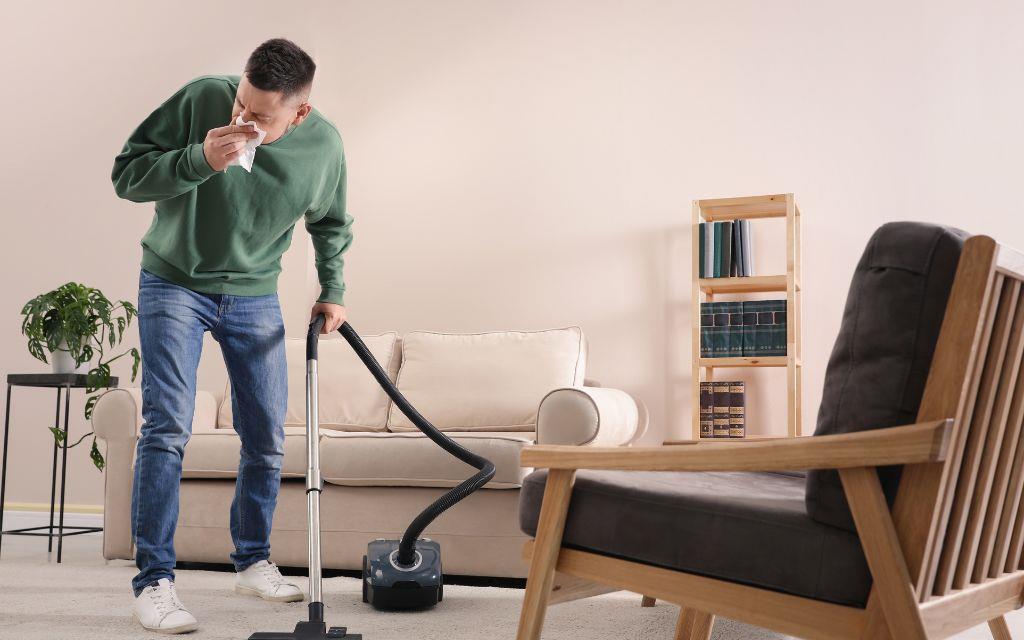
- Vacuum with a HEPA-filter vacuum (or use a vacuum with a sealed system) — focus on mattresses, carpets, upholstery, and curtains.
- Run an air purifier with a true HEPA filter in bedrooms (CADR appropriate for room size).
- Lower indoor humidity to ~40–50% using a dehumidifier — dust mites and mold thrive in higher humidity.
(These steps address the highest-impact sources of indoor allergens: mattresses, bedding, fabrics, air, and humidity.)
Why these steps actually work — the short science
- Dust mites live in bedding, mattresses, and soft textiles and are a major cause of year-round allergies. Washing bedding in hot water and using mattress dust mite covers reduces exposure.
- Pollen settles on clothing, carpets, and soft surfaces; washing textiles and using entry mats / shoes-off policy reduces indoor pollen load.
- Pet dander sticks to fabric and airborne dust; frequent grooming and targeted vacuuming reduce levels.
- Mold spores grow in damp environments; controlling humidity and fixing leaks prevents mold growth.
Keywords covered naturally here: how to get rid of dust mites, reduce indoor allergens, pollen-proof home, allergen reduction tips for homes with kids and elderly.
Room-by-room action plan (high-impact tasks)
Bedroom (highest priority)
- Strip bed and wash all bedding weekly in hot water ≥130°F (54°C). Wash sheets, pillowcases, duvet covers, and washable mattress toppers.
- Vacuum mattress with a HEPA vacuum (use upholstery tool). After vacuuming, zip on an allergen-proof mattress encasement (covers mattress and pillows).
- Replace pillows every 2–3 years or use pillow encasements. Use hypoallergenic bedding where possible.
- Run a true HEPA air purifier overnight (place near the bed).
Longtail keywords used: mattress dust mite covers, wash bedding hot water 130°F, best HEPA vacuum for allergies.
Living room & curtains
- Wash or steam-clean curtains (many can be machine-washed on hot; otherwise vacuum then steam).
- Vacuum upholstery and cushions weekly; remove and wash cushion covers when possible. Consider microfiber covers or leather/transparent fabrics that don’t trap pollen.
- Declutter surfaces where dust accumulates. Use microfiber cloths for dusting (they trap dust rather than spreading it).
Keywords: curtain cleaning for allergies, upholstery cleaning for dust mites, microfiber cloths for dust removal.
Carpets & floors
- If you have carpets: vacuum high-traffic areas 2–3× weekly with a HEPA vacuum. Consider professional hot water extraction / steam cleaning annually or when stains/odors persist.
- Hard floors: mop regularly with a well-rung mop to trap pollen and dust (don’t just sweep).
Keywords: carpet steam cleaning for allergies, professional carpet deep clean, reduce indoor allergens on floors.
Kitchen & bathroom
- Kitchens can harbor dust + food debris that attracts pests; keep surfaces clear and wipe with fragrance-free, allergy-friendly cleaning products.
- Bathrooms: fix leaks, clean grout, and run an exhaust fan to keep humidity low — dehumidifier for mold prevention if needed.
Keywords: fragrance-free allergy-friendly cleaning products, dehumidifier for mold prevention.
Air & HVAC: filtration and humidity control
- Air purifiers: Choose a purifier with a true HEPA filter and a Clean Air Delivery Rate (CADR) appropriate for the room size. Run continuously in bedrooms and living areas during high-pollen seasons.
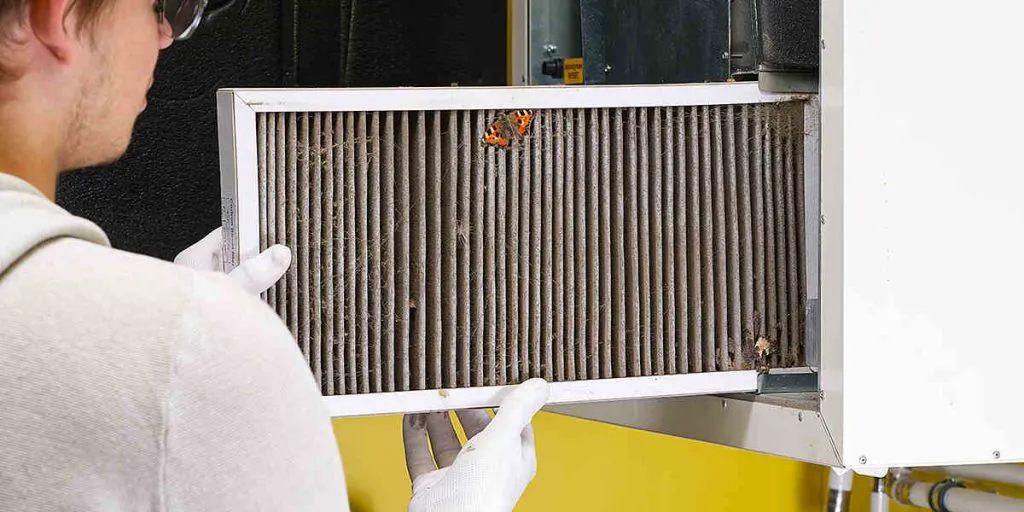
- HVAC filters: Use a filter rated MERV 8–13 depending on your system (check HVAC compatibility). A higher MERV catches more allergens, but very high MERVs may restrict airflow in older systems — consult an HVAC technician.
- Humidity: Keep relative humidity around 40–50%. Too dry can irritate airways; too humid encourages dust mites and mold. Use a hygrometer to monitor, and a dehumidifier if humidity regularly exceeds 50%.
Keywords: HVAC MERV filter for allergies, air purifier with HEPA filter, humidity target for dust mite control.
Cleaning products & tools (what to buy / what to avoid)
- Must-have tools: HEPA vacuum (sealed system), microfiber cloths, steam cleaner (for curtains and upholstery), true HEPA air purifier, hygrometer, mattress/pillow encasements.
- What to look for in products: “True HEPA” (not “HEPA-like”), sealed dust collection, washable filters where possible, fragrance-free and dye-free cleaners labeled “allergy-friendly.”
- Avoid: Strong-scented cleaners and aerosols — fragrances can trigger reactions. Powdered cleaners that aerosolize dust are also a poor choice.
Keywords: allergy-friendly cleaning products, best HEPA vacuum for allergies, steam cleaner for upholstery.
4-Week Allergy-Proof Spring Cleaning Plan (time-boxed)
Follow this progressive plan so cleaning doesn’t feel overwhelming.
Week 1 — Bedrooms (high impact)
- Day 1: Strip beds; wash sheets/pillowcases/duvet covers in hot water ≥130°F.
- Day 2: Vacuum mattresses and bed frames with HEPA vacuum; install mattress & pillow encasements.
- Day 3: Run HEPA air purifier in bedroom overnight; declutter bedside areas.
Estimated time: 1–2 hours per bedroom.
Week 2 — Living areas & curtains
- Day 1: Vacuum sofas, chairs, and cushions (remove covers and wash if possible).
- Day 2: Launder or steam-clean curtains; vacuum blinds.
- Day 3: Dust surfaces with microfiber cloths; mop hard floors.
Estimated time: 2–3 hours.
Week 3 — Carpets, floors & HVAC
- Day 1: Deep-vacuum carpets (HEPA). Spot-treat stains; consider scheduling professional carpet cleaning if heavily soiled.
- Day 2: Replace HVAC filter (choose appropriate MERV); vacuum vents and register covers.
- Day 3: Check humidity; place dehumidifier if needed.
Estimated time: 2–4 hours.
Week 4 — Kitchen, bathroom & pets
- Day 1: Deep-clean kitchen surfaces with fragrance-free cleaners; wash throw rugs and mats.
- Day 2: Clean bathroom grout, fix any leaks, run exhaust fan.
- Day 3: Groom pets (brush outside), wash pet bedding, vacuum around pet areas. Consult your vet on bathing frequency for your pet.
Estimated time: 2–3 hours.
After Week 4: Repeat weekly tasks (bedding wash, bedroom vacuuming, HEPA purifier use) and set monthly reminders for deeper tasks (HVAC filter, curtain washing, carpet spot cleaning).
Printable Allergy Cleaning Checklist (copy & paste)
Daily
- Run HEPA air purifier in bedroom(s) overnight.
- Quick dust of high-touch surfaces with microfiber cloth.
- Sweep/vacuum high-traffic areas (if needed).
Weekly
- Wash bedding in hot water (≥130°F / 54°C).
- Vacuum mattresses, carpets, upholstery with HEPA vacuum.
- Wash or vacuum pet bedding and groom pets (outside if possible).
Monthly
- Replace/inspect HVAC filter (MERV 8–13 recommended per system).
- Wash curtains or steam-clean.
- Wipe down vents, baseboards, blinds, and lamp shades.
Quarterly
- Professional carpet or upholstery hot water extraction if heavy traffic or allergy symptoms persist.
- Inspect and clean dehumidifier / humidifier filters and reservoirs.
Annually
- Replace pillows if older than 2–3 years.
- Consider professional HVAC maintenance and duct inspection.
Final tips & product features checklist (what to buy)
-
True HEPA label (not “HEPA-type”) for vacuums and purifiers.
-
Sealed vacuum system and washable filters.
-
Allergen-proof mattress & pillow encasements (zippered, sealed).
-
Hygrometer and a dehumidifier with automatic humidistat.
-
Fragrance-free, dye-free cleaners labeled allergy-friendly.
-
Microfiber dusting cloths and washable vacuum attachments.
Read More: 7 Common Causes of Clogged Drains — and How Professional Drain Cleaning Services Fix Them